





What Is a Transportation Management System (TMS)? The Complete 2026 Guide
A transportation management system (TMS) is the software backbone that moves freight from quote to cash. For domestic trucking operations juggling full truckload (FTL), drayage, and last-mile deliveries, the right TMS is the difference between reactive firefighting and a data-driven, AI-optimized operation. This guide explains what a TMS does, the core features that matter in 2026, and how AI-native platforms like TruckHub TMS are redefining what shippers, carriers, and brokers should expect from their technology.
What Is a Transportation Management System?
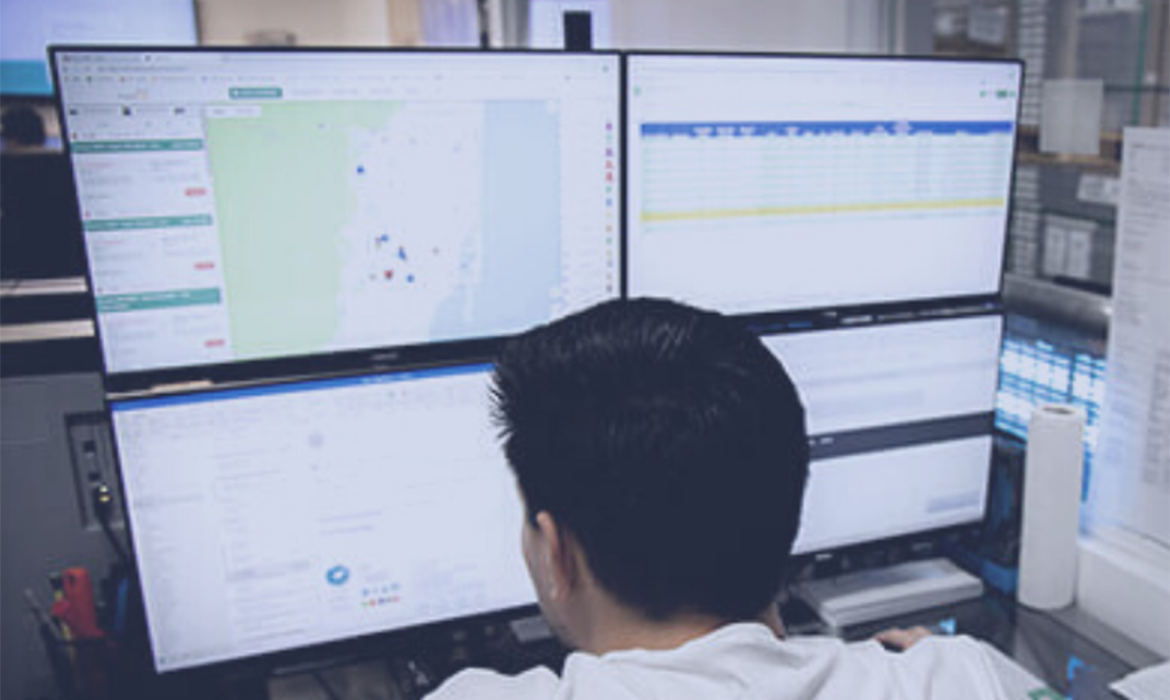
A transportation management system is a logistics platform that plans, executes, and optimizes the physical movement of goods. It sits between your order/ERP systems and your carriers, giving you a single source of truth for every load. A modern TMS handles carrier selection, rating, dispatch, real-time tracking, documentation, and freight settlement — all in one place. Instead of stitching together spreadsheets, email threads, and phone calls, teams manage the entire shipment lifecycle from one screen.
Why Domestic Trucking Operations Need a TMS
Domestic freight is uniquely complex. Capacity swings, fuel volatility, detention and accessorial disputes, and thin margins mean that small inefficiencies compound fast. A purpose-built TMS delivers measurable value in several ways:
- Lower freight spend through automated rate shopping and lane optimization.
- Higher on-time performance with real-time visibility and proactive exception alerts.
- Faster cash flow via automated invoicing, settlement, and document capture.
- Better decisions from analytics on cost per mile, carrier scorecards, and lane trends.
- Scalability so you can add volume without adding headcount.
Core TMS Features to Look For
1. Order and Load Management
The foundation of any TMS is clean load creation and management. Look for flexible order entry, EDI/API ingestion, load templates, and support for FTL, LTL, drayage, and last-mile in a single system so you never outgrow the platform.
2. Carrier Sourcing and Rate Optimization
A strong TMS connects to load boards, contracted carriers, and spot markets, then uses rules and AI to recommend the best carrier for each lane based on price, service history, and capacity — not just the cheapest quote.
3. Dispatch and Real-Time Visibility
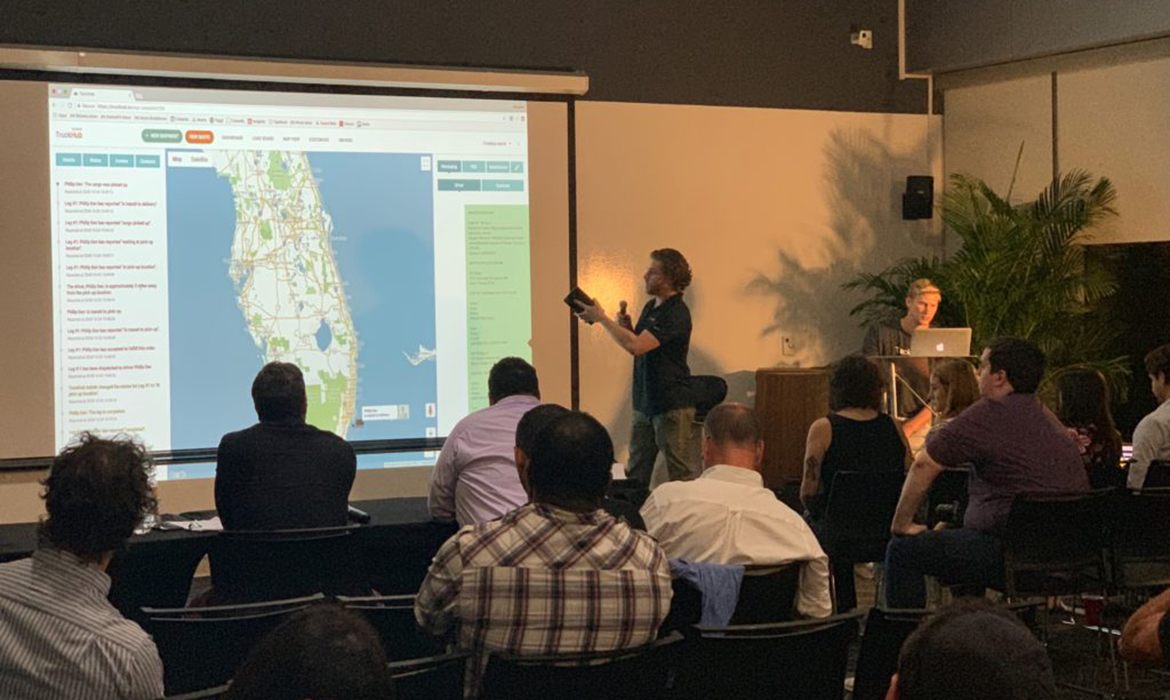
Dispatchers need to assign, tender, and track loads without leaving the platform. GPS and ELD integrations, geofenced status updates, and automated check calls keep everyone aligned and reduce the manual “where’s my truck?” scramble.
4. Documentation and Settlement
From rate confirmations and BOLs to PODs and invoices, a TMS should automate document capture and freight settlement, flag discrepancies, and shorten your days-sales-outstanding.
5. Analytics and Reporting
You can’t improve what you can’t measure. Dashboards for cost per mile, margin per load, carrier performance, and lane profitability turn raw operational data into decisions.
How AI Is Transforming the Modern TMS
The biggest shift in 2026 is the move from rules-based automation to true AI. TruckHub TMS is built AI-native for domestic trucking, applying machine learning to predict transit times, recommend carriers, detect margin-eroding exceptions before they happen, and automate the repetitive back-office work that used to eat a dispatcher’s day. AI-driven rate benchmarking helps you quote competitively, while predictive analytics surface the lanes and customers worth pursuing. The result is an operation that runs leaner, quotes faster, and protects margin automatically.
TMS Across Drayage, FTL, and Last Mile
Many providers specialize in one mode. TruckHub TMS is designed to run drayage, full truckload, and last-mile from a single platform. That means container moves from the port, over-the-road FTL lanes, and final-mile deliveries all share one dataset, one billing engine, and one analytics layer — giving multi-modal operations a unified command center instead of a patchwork of point solutions.
Choosing the Right TMS in 2026
When evaluating platforms, weigh implementation speed, integrations (ERP, accounting, ELD, load boards), depth of automation, quality of support, and total cost of ownership. Ask vendors to show — not just tell — how their AI improves real outcomes like margin per load and on-time delivery. A TMS is a multi-year decision, so choose a partner investing in AI and domestic trucking, not a generic tool bolted onto logistics.
Get Started With TruckHub TMS
TruckHub TMS is the AI-based, all-in-one transportation management platform for domestic trucking. Whether you run drayage, full truckload, or last-mile — or all three — TruckHub gives you the automation, visibility, and analytics to move more freight with less friction. Request a demo and see why operations are switching to TruckHub.
